
Preparing a fridge and washing machine properly before a move can be the difference between a smooth relocation and an expensive headache, especially when working with a reliable removalist in Newcastle. Correct preparation ensures these bulky appliances are safely disconnected, cleaned and secured so they travel without damage and are ready for use at the new home. Hunter Coalfields Removals explains the timing involved, including when to switch appliances off, how long to allow for defrosting and drying and how to manage pipes, shelves and loose parts to prevent loss or breakage. It also outlines why proper preparation matters for protecting food, flooring and appliance performance while helping moving day run more efficiently.
Fridges and washing machines are among the heaviest and most fragile household items to move. They contain sensitive internal parts, water and sometimes residual food or detergent. Without proper preparation, they are far more likely to leak, grow mould, break down after the move or even be damaged in transit.
Taking time to prepare these appliances is not simply about cleanliness. Correct preparation protects the property, the appliance and the people moving it and significantly reduces the risk of costly repairs or replacements.
Both fridges and washing machines contain delicate internal systems that are easily damaged if transported incorrectly or while still “live”. Fridges rely on a sealed refrigeration system filled with gas and oil. Moving a fridge that has not been defrosted or levelled can cause the following:
Washing machines have drums suspended on springs and shock absorbers. When moved without securing the drum with transit bolts or appropriate locking devices, the drum can swing violently, snapping suspension components or damaging the casing. Internal electronics and control panels in both appliances are also vulnerable to vibration and impact if not completely emptied and properly braced.
Water and food residue left in appliances during a move can quickly create serious hygiene and property damage issues.
Fridges that are not emptied and defrosted can leak as ice melts in transit. This water can run into the flooring or furniture inside the truck and can also pool inside the fridge itself, leading to mould and unpleasant odours. Perishable food left inside spoils rapidly once power is disconnected and can permanently taint seals and plastic interiors.
Washing machines and front-loader seals often hold:
If these are not drained and cleaned before moving, the machine can leak soiled water during transport or develop strong musty smells while shut for several hours. Moisture trapped in a sealed drum or fridge cavity during a move provides ideal conditions for mould growth that can be difficult to remove later.
These appliances combine weight, awkward size and fragile parts, making unprepared units risky to move through doorways, down stairs and into vehicles.
Loose internal shelves, crisper drawers and fridge doors can swing or fall out during lifting. This increases the chance of glass breakage or injury. Washing machine hoses and power cords that are not disconnected and secured can catch on walls or railings and cause sudden drops or impact damage.
Proper preparation, such as disconnecting and taping hoses, securing doors and shelves, fully drying interiors and allowing cooling systems to stabilise before reconnection, makes handling vastly safer. It also allows removal teams to load the appliances in stable positions that minimise vibration, which is essential for keeping compressors, drums and internal wiring in good working order after the move.
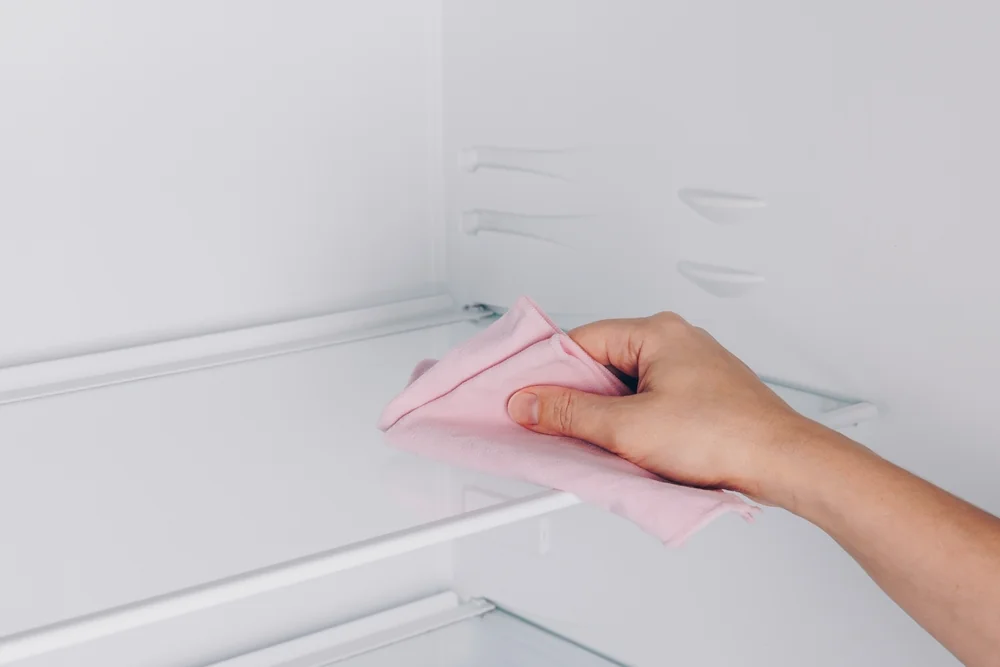
Preparing a fridge properly before moving is essential to prevent leaks, odours and damage to internal parts. A rushed job often results in spoiled food, water on the truck floor and appliance faults at the new home. With a little planning in the days before moving, a fridge can be safely transported and ready to plug in at the new property without problems.
Good preparation focuses on three areas. First, using up or removing all food. Second, cleaning, defrosting and drying the interior. Third, securing doors, shelves and mechanical parts so they are protected during transport.
Start preparing the fridge at least two to three days before the move. This allows enough time for food management and a complete defrost.
Begin by planning meals around what is already in the fridge and freezer. Aim to use up perishable items so as little as possible needs to be thrown away. Anything that must be kept frozen can be transferred on moving day in an esky or cooler with ice packs for a short trip. For longer moves, arrange temporary freezer space elsewhere.
Once food levels are low, disconnect any automatic ice maker or water line according to the manufacturer’s instructions. This usually involves turning off the water supply valve and then dispensing any remaining water or ice. This step helps prevent leaks in transit.
Switch the fridge off at the wall at least 24 hours before it is moved. For models with a freezer compartment that builds up ice, open the doors and allow the unit to defrost naturally. Place towels around the base to catch melting water and check them periodically so they can be wrung out or replaced.
Remove all remaining food, trays, crisper drawers and shelves. Wash these components with warm water and a small amount of mild detergent. Wipe the interior of the fridge and freezer with the same solution, then go over all surfaces with clean water to remove any soap residue.
To prevent mould or stale odours developing during transport, the interior must be completely dry. Use a clean towel to dry all walls, corners, seals and removable parts. Leave doors slightly ajar for several hours or overnight so any remaining moisture evaporates fully.
On moving day, check that the fridge is fully drained and dry. Empty and clean the drip tray if the model has one. Reinstall shelves and drawers or transport them separately, wrapped in padding. If left inside, use tape or stretch wrap to secure them so they do not move.
Close the doors and secure them with strong tape or purpose-made appliance straps. Place the tape only on finished surfaces so it does not damage rubber seals. Wrap the entire fridge in moving blankets or padded covers to protect against scratches and minor impacts.
When lifting or loading, keep the fridge upright to protect the compressor. If it has been on its side during transport, allow it to stand upright at the new home for several hours before switching it on so the refrigerant and oil can settle correctly.
Preparing a washing machine correctly before moving prevents leaks, internal damage and costly repairs at the new home. A few days of planning is usually required so the machine can be cleaned, drained and secured for transport. The goal is to protect the appliance and the removal team by disconnecting it safely, removing all water and stabilising moving parts. The following steps apply to front and top loaders with minor differences noted where relevant.
Start by emptying the machine,re including the detergent drawer and any laundry inside. This avoids mould smells and residue leaking during the move.
If time allows, run an empty hot wash or maintenance cycle with a washing machine cleaner or a cup of white vinegar. This helps remove detergent buildup and leaves the drum fresh for when it is reinstalled. When the cycle finishes, leave the door or lid open for several hours so the interior can dry.
Remove and clean the detergent drawer. Dry it thoroughly and either place it back in the machine or pack it separately in a clearly labelled box.
Turn the power off at the wall, then unplug the machine and secure the cord with tape or a cable tie. Fold or tape it against the back of the unit so it does not drag or trip anyone during loading.
Turn off the water taps feeding the machine. In many Australian homes, these are mixer taps on the wall behind or above the washer. Once off, carefully unscrew the inlet hoses from the taps and then from the back of the machine. Have a bucket or tray and an old towel ready because residual water will come out of the hoses.
Drain the machine completely. Most models have a small drain filter or access panel at the front near the bottom. Open this over a shallow tray and slowly let water run out until completely empty. If there is no accessible drain point, lower the drain hose into a bucket and allow gravity to do the work.
Dry the hoses with a towel, coil them and secure with tape or a tie. Either place them in the drum for transport or pack them in a labelled box so they are easy to find when reconnecting at the new property.
Front-load washing machines have a suspended drum that must be locked using the original transit bolts or shipping rods. These usually fit into holes at the back of the machine. If the bolts cannot be located, a service technician should be consulted, as transporting a front loader without drum locks risks serious internal damage.
Check the manufacturer’s manual for model-specific instructions on securing the drum and locking the door. If the manual has been misplaced, most brands provide free downloads online.
Wipe down the exterior and dry any remaining moisture, especially around seals and the door. Close the door or lid and secure it with strong tape or a strap so it cannot swing open during handling. Avoid taping directly over rubber seals where possible to prevent residue.

Large appliances are heavy, awkward and expensive to replace, so careful handling is essential. Correct preparation and lifting technique protect the machine, the property and anyone helping on moving day. A few extra minutes spent stabilising and securing a fridge or washing machine can prevent cracked tiles, dented doors or internal damage to the appliance.
Safely moving these items requires more than simply having strong helpers. It involves using the right equipment, protecting fragile parts and planning how the item will pass through doorways, halls and the truck.
Before moving a fridge or washing machine, gather basic moving equipment so the appliance is supported from every side. At minimum use:
Blankets and cardboard should be wrapped around metal edges and corners to prevent chips in walls and architraves. Tape any blankets to themselves rather than to painted surfaces to avoid residue.
Remove any loose parts, including shelves, drawers and detergent trays. These should travel separately in clearly labelled boxes. Power cords and hoses should be coiled and tied to the back of the unit so nothing drags or catches on stair edges.
Keep the fridge upright at all times to protect the compressor. Tilting too far or laying it flat can force compressor oil into the cooling lines, which may cause failure when restarted. When passing through doorways, protect both the fridge and the frame with blankets or cardboard. Move slowly and communicate clearly with anyone assisting so there is no sudden pushing or twisting.
Once loaded into the truck, secure the fridge against a wall with straps so it cannot slide. On arrival, keep the fridge upright and allow it to sit unplugged for several hours before switching on so internal fluids settle.
Washing machines contain a heavy drum that can swing and damage internal components if not stabilised. Before moving, install the manufacturer’s transit bolts or drum locks. If these are missing, a professional should secure the drum before transport.
Keep the machine as upright as possible and avoid sharp jolts. Use an appliance trolley and strap the unit firmly from side to side. When negotiating stairs or ramps, control the descent and avoid bumping each step, loosening internal mounts.
In the truck, place the washing machine on a level surface against a solid side and strap it securely. At the new property, remove transit bolts before use and check for any leaks when reconnecting hoses.
Once the fridge and washing machine reach the new home, the priority is to position them correctly, reconnect them safely and protect them from damage during the first use. Rushing to plug them in or start a cycle can lead to leaks, spoiled food, or even damage to internal parts. A measured approach over the first few hours will help the appliances settle after transport, prevent common installation mistakes and ensure they are ready for reliable everyday use.
Start by checking both appliances for visible damage before any connection. Look for dents, loose hoses, cracked plastic trims and any signs of oil or water leakage. Photograph anything of concern before moving it fully into place.
Position the fridge in its final location, leaving enough ventilation space around the sides, top and back according to the manufacturer’s instructions. In many homes, this means at least a few centimetres of clearance to prevent the motor from overheating. Ensure the floor is level and solid, as uneven flooring can cause fridges to rattle and washing machines to move during spin cycles.
Use the adjustable feet to level each appliance front to back and side to side. A spirit level is ideal; however, a quick check by gently rocking the appliance can also help. A fridge that is not level may cause doors not to seal properly and an uneven washing machine can vibrate excessively.
If the fridge has travelled upright, it is usually safe to reconnect after it is in position. If it has been transported on its side or at an angle, allow it to stand unplugged so internal fluids settle back into the compressor where they belong. A common guide is to wait the same number of hours as it spent on its side, up to 24 hours if unsure.
Once the waiting period is over, plug the fridge into a dedicated power point, never a power board. Set the temperature controls to the recommended settings, usually around 3 to 4 degrees Celsius for the fridge compartment and minus 18 degrees for the freezer. Allow several hours for the appliance to reach temperature before loading food. Perishable or frozen items should only be transferred once the interior feels consistently cold to avoid food safety issues.
If the fridge has a water or ice dispenser, reconnect the water line carefully, checking that all fittings are tight. Run water through the dispenser and discard the first few litres to clear any air and impurities, then inspect for leaks behind and under the unit.
Proper preparation of a fridge and washing machine before moving is essential for protecting appliances, preventing property damage and avoiding delays on moving day. Clearing out contents, defrosting and thoroughly drying the fridge reduces the risk of leaks, mould and internal damage during transport. Careful disconnection, drainage and stabilisation of the washing machine help preserve internal components and ensure safe handling. Following these steps allows appliances to arrive in good condition, supports efficient handling by the removal team and ensures units are ready for safe reconnection and reliable use in the new home.

