
Combining two households into one home involves more than arranging a collection from each property. Duplicate furniture, separate packing systems and different access requirements can make moving day more complicated than a standard house relocation. Hunter Coalfields Removals are experts in home and office relocations across the Hunter Valley, helping customers understand the requirements of their move.
If two Newcastle households are coming together, planning helps keep belongings identifiable, coordinate collection arrangements and ensure everything reaches the right rooms. From describing both loads to deciding where large furniture should go, shared decisions before moving day can prevent unnecessary delays and confusion.
A move involving two collection addresses needs individual assessment. The useful starting point is not simply asking whether two pickups are possible but describing what must be collected at each address and how both loads fit into the delivery plan.
Whether both properties can be included in one coordinated booking and whether collection and delivery can happen on the same day needs confirmation. The distance between properties, volume of belongings and access conditions can all influence the available arrangements.
Two people moving into a three-bedroom home may be bringing the contents of two fully furnished homes. The destination's bedroom count says little about the amount to collect. There could be two dining tables, several sofas and separate sets of bedroom furniture, even if some pieces are destined for different uses in the shared home.
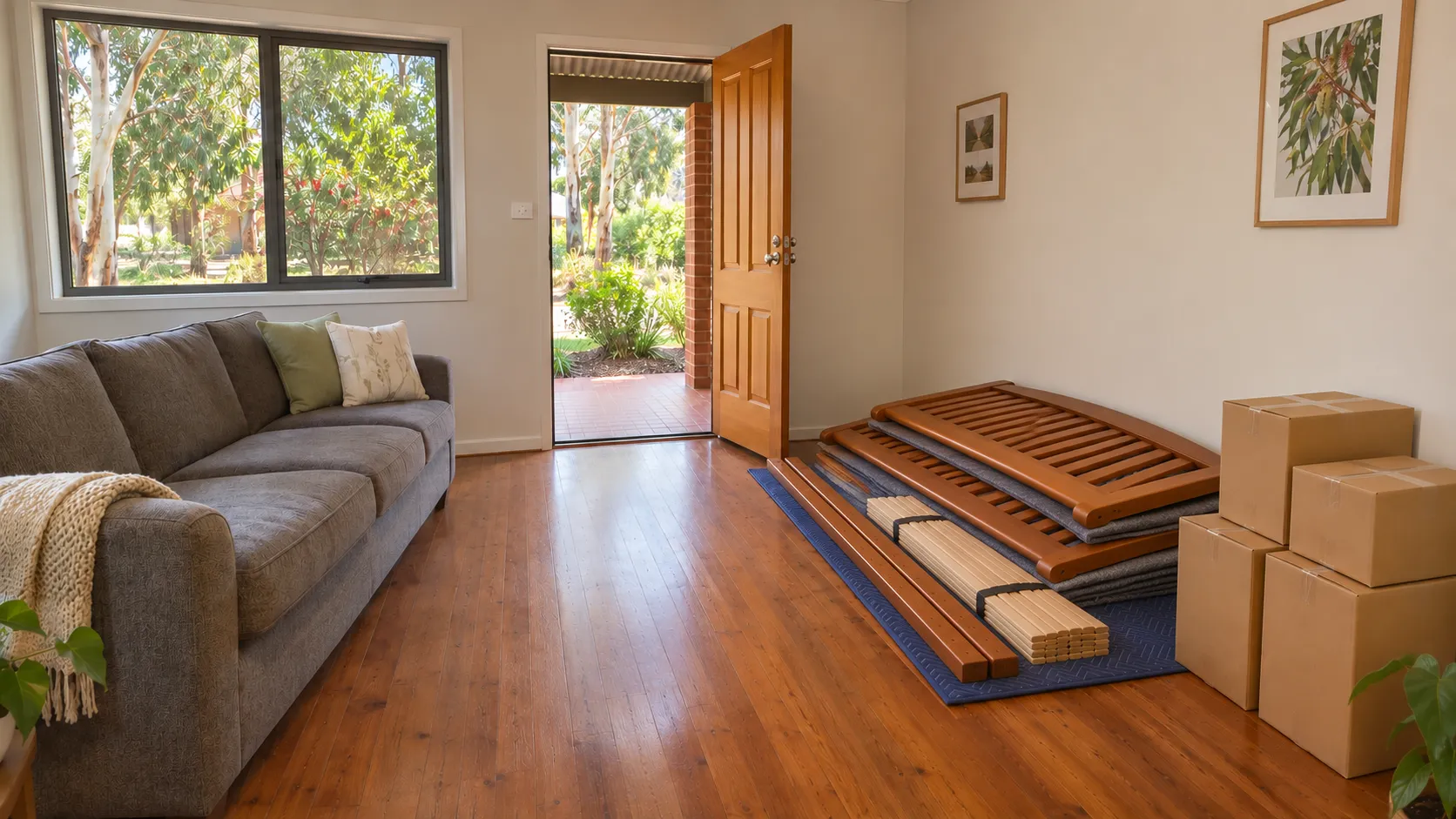
Provide both Newcastle collection addresses and describe each load separately. Identify the large furniture, the approximate number of packed boxes and any belongings that need specific handling. Keep the descriptions clearly divided into Household A and Household B, or use each person's name.
For example, describe one collection as a queen bed, two bedside tables, a desk, a sofa and an estimated box count. Describe the second collection independently rather than adding everything into a single total. That distinction helps the removal team understand what awaits at each stop and ask follow-up questions.
The physical conditions at each collection address can affect how easily furniture and boxes can be loaded. A property with a narrow driveway, limited street parking or several flights of stairs may require different arrangements from a home with straightforward vehicle access.
Provide details about any potential restrictions, including:
If either property has access restrictions, mention them during the initial discussion rather than waiting until moving day. Accurate information helps removalists assess the requirements and determine if additional arrangements are needed.
For Newcastle properties with restricted street parking, check whether temporary parking permits for removalist vehicles may be suitable. Discuss parking arrangements with the removal team before confirming collection times.
When speaking with removalists in Newcastle, explain from the outset that the move involves two addresses and one destination. Ask if a coordinated arrangement is suitable and what further information is needed to assess it. Do not assume the plan will involve one truck, both collections before delivery or a particular completion time.
Collection order should reflect the practical requirements of the whole move, not simply which household asks to go first. Let the team know if either property has a fixed collection window or if someone must leave an address by an agreed time. These constraints can affect the options available.
The distance between the two properties, the volume of belongings and the time needed to load each household may also influence scheduling. Allow the movers to check these details before confirming the proposed collection and delivery sequence.
They also need to know where the larger items from each home belong at the destination. Collection and loading decisions may need to account for delivery placement, so avoid prescribing a pickup order before those details are understood. A multiple-pickup house move needs an agreed sequence, even if that sequence differs from the initial preference.
Keep one shared record of the confirmed arrangement, with each collection address, its load description and any timing constraints clearly separated. If furniture is added after the initial discussion, tell which household it belongs to.
Knowing whose belongings are whose is only half the task. A useful label also tells the delivery team where an item belongs in the shared home. Without that second detail, two carefully packed households can still arrive as one confusing collection.
Set up a labelling system that works across both properties before packing is finished. It should be easy to read without knowing either household's old room layout.
Choose a short identifier for each household, such as A and B or the occupants' names. Pair it with the destination room on every box: "A | Front bedroom | Bed linen" is much more useful than "Bedroom". The identifier preserves ownership, while the room name directs placement.
CHOICE’s advice on labelling boxes by destination room and contents supports this approach. Using the same room names across both households helps the removal team place boxes consistently at the shared home.
Write labels on the top and at least one side of boxes so the information remains visible when they are stacked. Colour can provide a quick visual cue, but retain written identifiers and room names. The practical principles behind keeping your move organised are especially useful when two people are preparing belongings separately.
Similar items deserve more precise descriptions. Two white chests of drawers or several matching storage tubs can be difficult to distinguish once they are away from their original rooms. Give each a recognisable identifier and a destination, like "B | Tall white drawers | Rear bedroom".
For furniture, agree with the experts on a suitable way to attach identification without marking the finish. A photograph can also help distinguish similar pieces, specifically when both households own furniture of the same colour and style.
Keep components associated with their furniture. If an item is being dismantled as part of the agreed move, confirm how its parts and fittings will remain identifiable. A bag labelled only "Bed screws" offers little help when several beds are arriving from different homes.
Keep each person's immediate essentials distinct rather than creating one large, shared essentials box. Medication, chargers, toiletries and a change of clothes should be easy for their owner to find without opening someone else's belongings.
Personal bags that will travel with each person should be clearly separated from the removal load. For essentials being transported by professionals, use both the household identifier and a destination label. Agree where those boxes should be placed, such as a nominated bedroom, rather than assuming "essentials" tells anyone which room is intended. This keeps personal belongings traceable even while the rest of the home is being set up.
The most effective room-placement decisions happen before either household's belongings arrive. If furniture positions are still being negotiated at the front door, the team may receive conflicting instructions or have to work around items placed temporarily.
Agree on the intended layout together, then communicate it consistently. The role of both households is to make the destination clear. The removalists can then determine the loading and unloading sequence needed to carry out the agreed plan.
Start with the large pieces from both homes. Decide which bedroom receives each bed, which wall is intended for the larger sofa and where desks, dining furniture and storage units belong. Use measurements where needed rather than relying on how a piece looked in its previous home.
A simple room sketch can be enough. Mark doors and the intended positions of larger items, then use the same room names that appear on the box labels. "Front bedroom" should mean the same space to both households and the delivery team.
If a room will serve two purposes, make that explicit. A study that also contains a guest bed needs a placement plan for both, not separate instructions created by each household. Decide these positions together before delivery so neither load is treated as an afterthought.
Nominate one person to communicate room placements at the destination. This does not mean that person makes every household decision. It means the decisions already agreed by both households reach the team through one consistent point of contact.
That person should have the room plan and understand which similar items belong where. If a placement question arises, they can check with the other household member and give one clear answer, rather than leaving the team to choose between competing directions.
Avoid changing furniture positions casually while unloading is underway. A change that looks minor may affect where several other pieces can go. If the plan genuinely needs adjusting, tell the team before the next related item is placed. Unclear instructions are among the moving-day mistakes worth preventing, particularly when two households share the delivery.

Inform the team which rooms will receive belongings from both collections. Whether the agreed arrangement involves a combined delivery or separate arrivals, those shared rooms need space for the furniture still to come.
A pile of boxes against the wall intended for the second household's cabinet creates avoidable handling. Similarly, placing a desk temporarily in a bedroom may obstruct the position reserved for a bed. Identify suitable box-placement areas within each room while leaving planned furniture positions available.
Leave decisions about which items come off the vehicle first to the removal team. Explain the final layout and flag what is still expected, rather than trying to direct the physical unloading sequence yourself. If an item's destination remains unresolved, raise it before it is carried inside so professionals can discuss a suitable placement.
Combining two households requires coordination at every stage, from describing separate collections to deciding where furniture and personal belongings will go. Clear load information, consistent labels and an agreed room layout prevent misplaced items, unnecessary handling and conflicting instructions.
Hunter Coalfields Removals has more than 25 years of industry experience in home and office relocations. Discussing collection addresses, access conditions, furniture requirements and delivery arrangements can establish a plan for bringing everything into one home.

