
Moving house with professional removalists often starts with one important question: how long will the move actually take? Having a realistic timeframe impacts how homeowners plan time off work, organise utilities, coordinate key handovers and avoid unnecessary stress on moving day.
The time required can vary depending on the property size, volume of belongings, access at both addresses, travel distance and level of preparation. For homeowners comparing removalists in Maitland, understanding these factors makes it easier to set realistic expectations and plan each stage of the move.
Hunter Coalfields Removals helps homeowners understand what can affect the moving schedule, from quoting and packing through to loading, travel, unloading and settling into the new home. With a clear idea of the expected timeframe, homeowners can better prepare for a smooth, organised and efficient move.
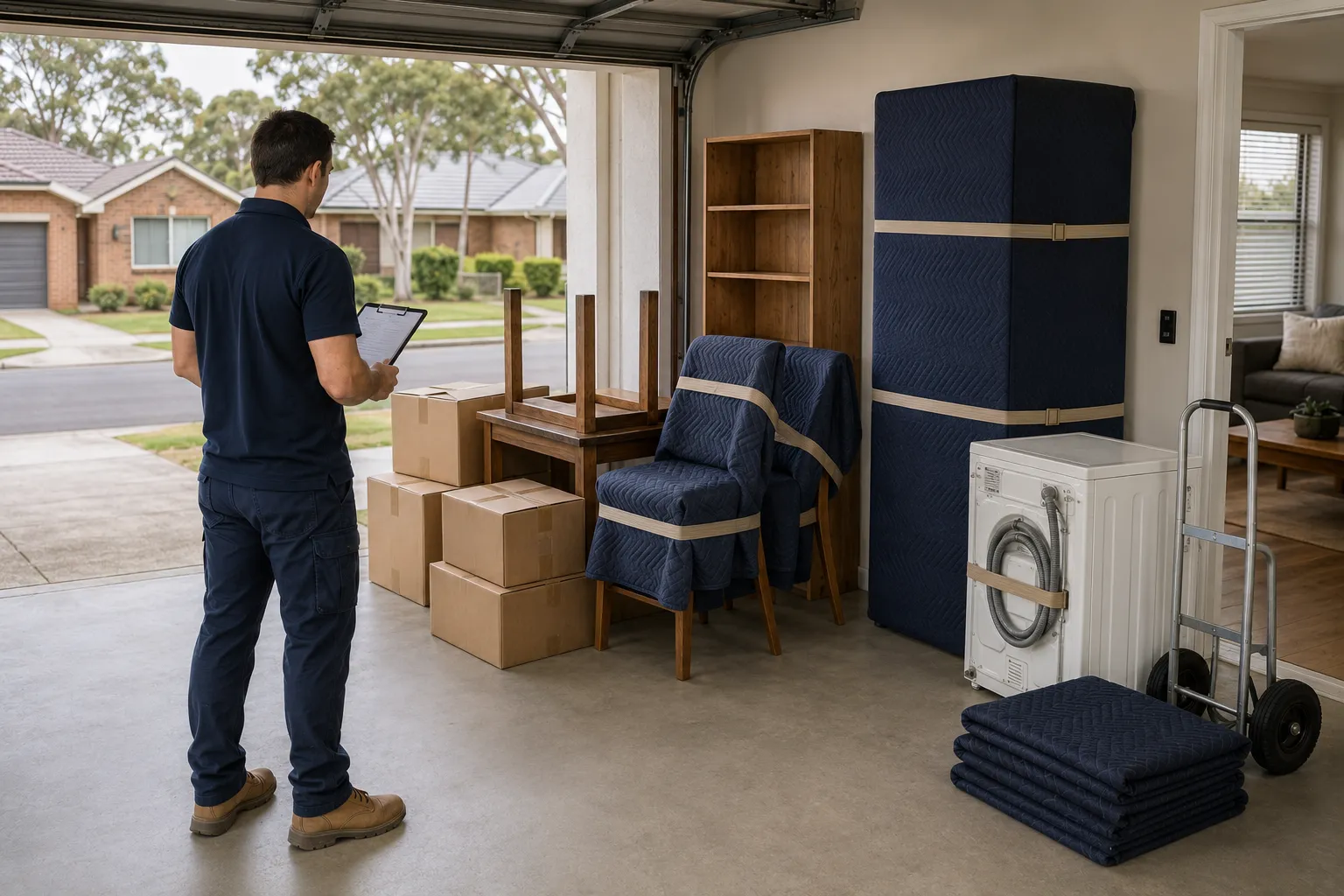
The size of the property and the volume of belongings are two of the biggest factors affecting how long a move takes. More rooms, heavier furniture and full cupboards mean more time is needed for loading and unloading. However, the number of bedrooms alone does not determine the timeframe. A sparsely furnished three-bedroom home may take less time to move than a smaller property with a packed garage, shed and multiple large items.
As a guide, a standard local move with good access may take:
These are general planning estimates rather than fixed timeframes. The actual duration depends on the amount and type of furniture, access conditions, travel distance, crew size and how well the property is prepared.
Certain belongings can also add to the schedule. Pianos, pool tables, large appliances, solid timber furniture, gym equipment and bulky outdoor items may require additional workers, equipment or careful handling. Fragile items such as glass cabinets, artwork and antiques can also take longer because they need extra protection.
Preparation can make a difference. Packed and labelled boxes, disassembled furniture, prepared appliances and clear access paths allow removalists to begin loading immediately. Loose belongings, cluttered walkways or furniture that still needs to be dismantled can add unnecessary delays.
An accurate moving timeframe depends on more than the size of the home. The volume of belongings, type of items, property layout, access and level of preparation all need to be considered.
A typical local house move takes around 4 to 10 hours of physical moving time, although larger homes, difficult access and longer travel distances can extend the job to a full day or more.
The total moving time includes:
These timeframes are useful for planning rather than guarantees. A well-packed home with straightforward access may be completed considerably faster than a similarly sized property with stairs, long carrying distances or furniture that still needs preparation.
Yes, the number of removalists can affect how quickly a move is completed. A larger crew can divide tasks between carrying, loading and organising the truck, helping maintain a steady workflow. However, adding more workers does not always make a move proportionally faster, particularly where space or access is limited.
The appropriate crew size depends on:
For example, a lightly furnished two-bedroom home with easy access may only need two removalists, while a larger property with substantial furniture, stairs or long carrying distances may benefit from three or four.
Access and travel distance can have a major effect on the overall moving schedule. A property with level access, clear pathways and nearby truck parking will be quicker to load and unload than one with stairs, narrow hallways or a long distance between the entrance and the truck. Travel between the two properties then adds further time.
Here are the main factors to consider:
Before moving day, homeowners can help reduce delays by clearing access paths, keeping driveways available and confirming any parking or lift requirements. Providing accurate details about stairs, carrying distances and the distance between properties also helps the removalist develop a more realistic timeframe.
Large, heavy or awkward items can make a move take longer because they often require additional handling, equipment and protection. A home with fewer belongings can still take longer to move if it contains bulky furniture, gym equipment, large appliances or other difficult items.
Pianos, pool tables, safes, large sofas, solid timber furniture, gym equipment and major appliances can require additional removalists or specialised equipment. Their weight, size and shape can also make carrying and positioning them more time-consuming than standard boxes and furniture.
Beds, wardrobes, desks and dining tables may need to be partially or fully dismantled to pass through narrow doorways, hallways or stairs. This adds time during loading, while furniture that has been dismantled may also need to be reassembled at the new property.
Identifying these items before moving day allows the removalist to plan for the appropriate tools, crew and handling requirements.
Glass cabinets, antiques, stone furniture and polished timber pieces may require additional wrapping and careful handling. Although these precautions can add to the moving time, they help protect valuable or delicate belongings during carrying and transport.
Homeowners can help by identifying heavy, bulky or unusual items before moving day and providing measurements or photos where necessary. This can help the removalist determine the appropriate crew, equipment and timeframe.
Knowing what to tell your removalist before moving day can help the company account for bulky belongings, restricted access, parking limitations and other factors when planning the crew and schedule.
Planning for difficult items in advance helps keep the schedule realistic while giving the crew enough time to handle challenging belongings safely and efficiently.
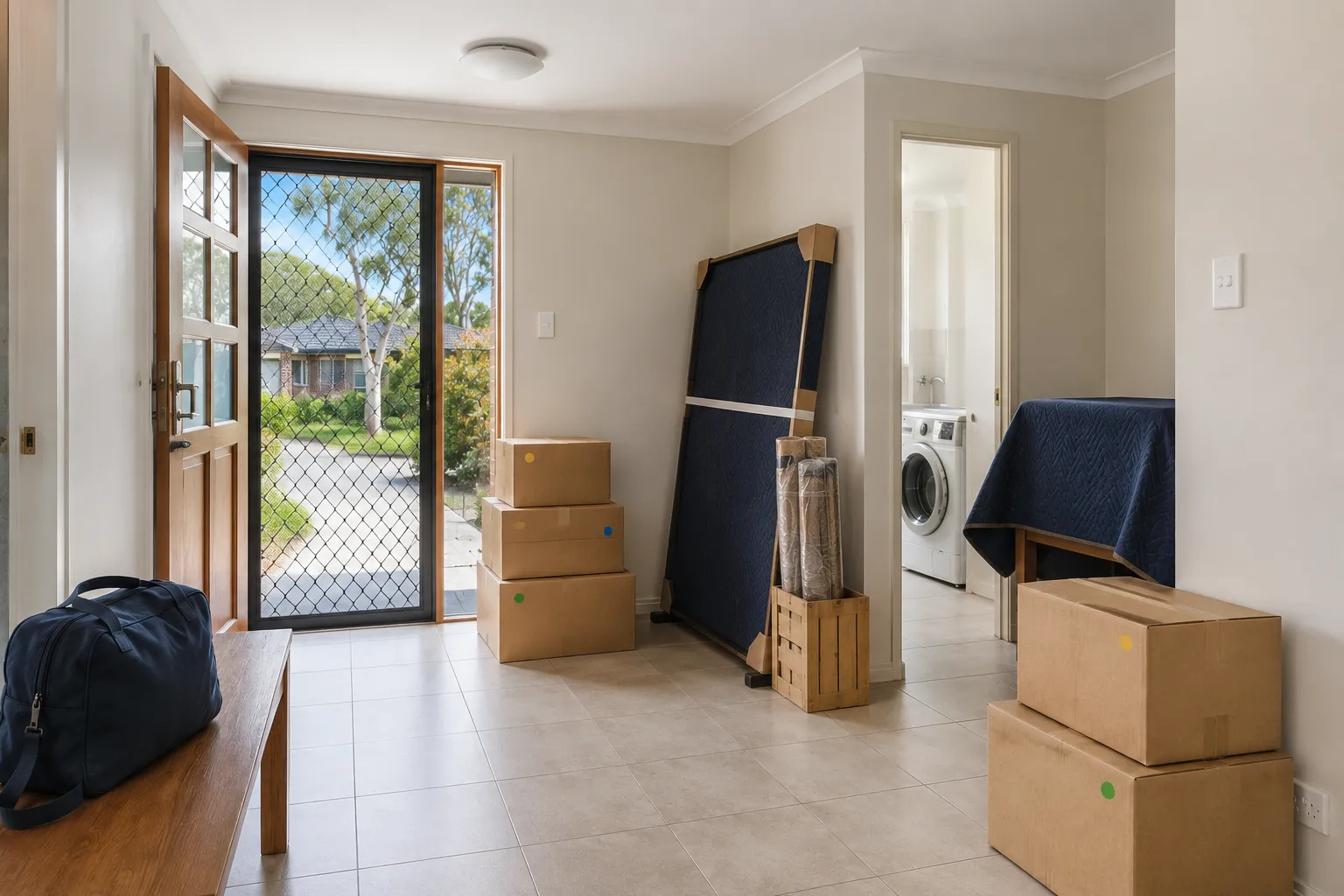
Packing and preparation can make a difference to how quickly a move is completed. When boxes are packed, furniture is prepared and access is clear before the removalists arrive, the crew can start loading immediately and maintain a steady workflow.
Many of the same packing and preparation steps that reduce delays can also help homeowners save money on their move by reducing avoidable labour time.
For the smoothest moving day, homeowners should focus on a few key areas.
Use sturdy boxes that can be securely sealed and stacked safely in the truck. Label each box with its destination room and, where useful, a brief description of the contents. Fragile items should be packed securely and clearly marked.
Well-organised boxes make loading more straightforward and help the crew place belongings in the correct rooms during unloading.
An independent moving house checklist can also help homeowners finish packing on time, label boxes by room and complete other important tasks before the removalists arrive.
Where appropriate, dismantle beds, desks, tables and other furniture before moving day. Keep screws and fittings together in labelled bags so everything can be reassembled easily.
Fridges, washing machines and other appliances should also be emptied and prepared in advance according to their requirements. This allows the removalists to focus on moving rather than completing avoidable preparation tasks.
Remove vehicles, pot plants, rubbish and other obstacles from driveways, hallways, stairs and paths. At the new property, make sure the entrance and internal pathways are also clear.
For apartment moves, confirm lift bookings, loading areas and building access requirements before moving day to reduce unnecessary waiting.
Set aside valuables, important documents, medications, chargers and an overnight bag rather than loading them onto the truck. Items that are staying behind should also be clearly separated to prevent confusion during loading.
Good preparation allows removalists to spend more time moving belongings and less time dealing with avoidable tasks, helping keep the job closer to its estimated timeframe.
Even a well-planned move can run over schedule. Some delays are unavoidable, but many can be reduced by preparing the property, communicating clearly with the removalist and allowing some flexibility in the day's timetable.
Common causes of moving day delays include:
Allowing some flexibility in the schedule is worthwhile. A small buffer gives the crew room to deal with normal traffic, access or handling variations without causing the rest of the day to fall behind.
The easiest way to make moving day more efficient is to prepare everything before the removalists arrive. Packed boxes, clear access, prepared furniture and good communication allow the crew to maintain a steady workflow without unnecessary delays.
Have boxes securely sealed, clearly labelled and grouped by room before moving day. Keep loose belongings to a minimum and make sure fragile boxes are packed and marked appropriately.
Where practical, dismantle beds, desks, tables and other furniture that can be safely taken apart. Keep screws and fittings in labelled bags with the relevant furniture. Empty and prepare appliances before the crew arrives.
Remove obstacles from hallways, stairs, driveways and paths. Keep the truck's parking area as close to the property as safely and legally possible. For apartments, confirm lift bookings, loading zones and building access requirements ahead of time.
Clearly mark anything that is not being moved or place it in a separate area. Keep valuables, important documents, chargers and other essential personal items with you rather than loading them onto the truck.
Let the removalist know about pianos, safes, pool tables, gym equipment, antiques, large appliances or other difficult items.
Stairs, narrow doorways, steep driveways and restricted parking should also be mentioned. Providing these details when requesting a quote can help the company plan the right crew, equipment and timeframe.
Avoid scheduling key collection, cleaning or other appointments too closely around the estimated moving time. Allowing some flexibility gives the crew room to deal with traffic, access issues or unexpected handling.
Efficiency should never come at the expense of safe handling. Giving removalists enough time to move furniture carefully is more important than trying to save a few minutes by rushing the job.
For most moves, it is sensible to start contacting removalists around 2 to 4 weeks before the preferred moving date. Larger homes, long-distance relocations and moves requiring packing, storage or specialised equipment may benefit from more notice.
Booking early gives homeowners more opportunity to secure their preferred date, crew size and services. This can be useful for weekends, Fridays, end-of-month moves and school holiday periods, when demand may be higher.
When comparing availability and services, homeowners can also review NSW Government guidance on choosing a removalist, including obtaining written quotes, checking what is included and researching the business.
If the moving date is flexible, homeowners can also ask about quieter weekdays. This may provide more options when availability is limited.
Homeowners can contact removalists even when the exact date has not been confirmed. Settlement dates, lease arrangements and property handovers can change, so discussing the likely timeframe early allows the removalist to explain availability and how date changes can be managed.
Leaving the booking until the last few days can limit available dates and make it harder to arrange additional services. The aim is not simply to book as early as possible but to book once the moving timeframe is reasonably clear while allowing enough notice for the removalist to plan the job properly.
A smooth house move comes down to realistic planning, good preparation and an experienced removalist team. Property size, the volume of belongings, access, crew size, travel distance and any additional services can all influence how long the move takes, so allowing some flexibility is important.
With the right preparation and clear communication, homeowners can reduce avoidable delays and keep the move progressing efficiently from loading through to unloading. Hunter Coalfields Removals brings practical experience and careful coordination to every relocation, helping homeowners approach moving day with a realistic timeframe and greater confidence that their move will be handled safely, efficiently and with less stress.

