
Moving house in the Hunter Valley starts long before the truck arrives. For most families, the first big hurdle is choosing the right moving boxes and having enough of them ready on time. Boxes that are the wrong size or in short supply can add unnecessary stress to moving day. As an experienced removalist in the Hunter Valley, Hunter Coalfields Removals understands the key decisions that shape a smoother move, including which box types are actually useful for most households and where to source them locally.
Property owners will gain practical insight into the real workhorses of a move, such as standard cartons and speciality cartons for wardrobes and fragile items. This guide prepared by Hunter Coalfields Removals also looks at the pros and cons of free second-hand boxes compared with strong new cartons, so homeowners can decide what is worth using and what is not. By the end, anyone planning a move in the area will understand what to use, how many boxes they are likely to need, and where to get them so packing can begin with confidence instead of guesswork.
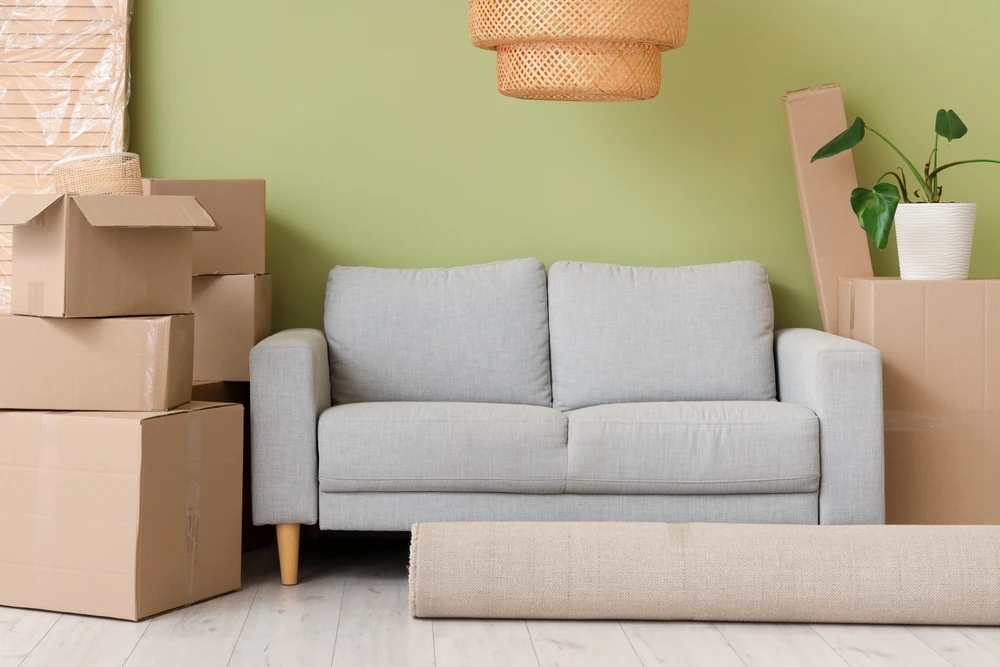
Choosing the right mix of box types matters more than most people expect. Using boxes that are the right size and strength protects belongings and results in fewer damaged items at the other end. Many moves in the locale involve a mix of larger family homes and rural properties and units, so a planned set of box sizes works best.
Professional removalists generally recommend a core set of standard cartons and then a few speciality boxes for fragile or awkward items. Below are the main types most households actually need and how they are used and roughly how many to allow.
For most moves, the workhorses are tea chest cartons and book boxes.
Tea chest cartons are the large standard moving box. They suit lighter and bulkier items such as linen and pillows, or clothing and plastic kitchenware. Because they are bigger, they should never be overloaded with heavy items because they become hard to lift and more likely to split. A typical 3‑bedroom home might use 20 to 30 tea chest cartons.
Book boxes are smaller, heavier-duty cartons. They are designed for anything weighty or fragile such as books or photo albums, crockery and small appliances. Their compact size keeps the weight at a safe lifting level. For an average home, 15 to 25 book boxes is common (especially for families with lots of books or kitchen items).
Using too many large boxes for heavy items is one of the main reasons boxes fail on moving day, so it is worth pairing heavy content with smaller cartons.
Beyond the standard cartons, a few speciality box types make packing faster and safer.
Porta‑robe or wardrobe boxes have a hanging rail so clothes can go straight from the wardrobe to the box on their hangers. They are ideal for suits and coats that crease easily, and they save time on packing and ironing. Most households only need 2 to 4 of these for good clothes and seasonal wear.
Picture or mirror cartons are flat adjustable boxes designed for framed art or mirrors and large glass panels. They keep items upright and allow extra padding around the edges, which is critical on longer regional runs. Fragile pieces like glass prints or bathroom mirrors should always go in these rather than general cartons.
Dedicated TV cartons or adjustable flat-screen boxes are designed to fit modern televisions snugly with side and corner protection. If the original TV box is not available, a proper TV carton is essential since general boxes do not protect the screen evenly.
There are also a few utility box types that solve awkward packing problems.
Archive or document cartons work well for important papers such as office files and smaller collections such as photos or small electronics. Their built‑in handles make them easy to move and stack in storage.
Tall cartons are useful for awkward long items such as lampshades and golf clubs, or vacuum cleaners and artificial plants. These are easier for removalists to secure in the truck than loose items and help prevent bending or crushing.
Finally, every move benefits from a couple of sturdy plastic tubs for items that may need quick access. These include cleaning products and basic tools or first‑night essentials. While cardboard cartons handle the bulk of the load, a few tubs cope better with liquids and odd‑shaped pieces.
Anyone moving in the area wants to know the quickest places to get strong, affordable boxes without driving all over the region. Good options range from professional removalists and local packaging suppliers to big hardware chains and clever ways to source quality second‑hand cartons.
Professional removalists recommend planning where to get boxes at least 1 to 2 weeks before move day. That gives enough time to compare new cartons with second‑hand options and to have speciality boxes ready for fragile or bulky items.
Local removalists are often the most reliable source of purpose‑made moving boxes. Many of them supplies new and quality used cartons suited to homes from Cessnock and Kurri Kurri to Singleton.
Customers can usually arrange:
Buying through a removalist means the box sizes match professional packing methods so the truck loads safely and efficiently. Expert removalists can also advise how many cartons are needed for a typical 2- or 4-bedroom home and can coordinate delivery of boxes and packing materials with the moving date.
The region has several packaging and storage businesses that stock moving cartons. These are typically found in or around key hubs such as Cessnock or Singleton, Maitland and Rutherford or Thornton.
These suppliers usually offer:
Many local storage facilities also sell boxes at reception. If a customer is using storage in the locale, it is often convenient to buy cartons on-site to ensure they fit shelving and unit dimensions. Some providers allow click and collect, so boxes can be ordered online and then picked up after work.
Large hardware stores such as Bunnings and Mitre 10 in centres like Maitland and Muswellbrook almost always stock flat‑packed moving cartons. These are useful for topping up supplies close to moving day. Pricing is usually per box with a small range of sizes, plus packing tape and markers at the same location.
Supermarkets such as Woolworths and Coles can sometimes provide free second-hand boxes if staff are asked politely at quieter times. The best cartons tend to be fruit or vegetable or grocery boxes that still have solid corners and intact bases. The experts suggest reinforcing supermarket boxes with extra tape and using them for lighter items such as linen toys or pantry goods rather than heavy books or dishes.
For anyone unsure where to start, any reputable removalist can recommend current local suppliers that suit the size of the home budget and moving timeframe.
Anyone moving in the area will wonder if it is worth paying for brand new boxes or if free ones from supermarkets and friends will do the job. The answer depends on what is being packed and how far it is travelling and how much risk the customer is prepared to take with their belongings.
The experts generally recommend using new or high-grade used cartons for breakables and heavier items. Supplement these with free boxes for lighter, non-fragile goods. Understanding the trade-offs helps customers choose the right mix and avoid damage on moving day.
Free boxes can work well for short local moves or for items that are not easily damaged. Clothing or linen, plastic toys and cushions are usually fine in sturdy second-hand cartons.
Good sources include liquor stores or pharmacies and small supermarkets where boxes are often clean and thick-walled. It is important to avoid boxes that smell of food or chemicals or have soft or sagging sides or show any sign of moisture. Removing old tape and reinforcing the base with fresh packing tape is essential before loading.
Free boxes are also useful for shed items that are already in containers and just need grouping together. This approach helps keep costs down while still keeping the most valuable items in better-quality cartons supplied by professional removalists.
New purpose-made moving cartons are stronger and more uniform in size and designed to stack safely in a truck. For fragile kitchenware or glassware or electronics and ornaments, the experts strongly recommend new boxes.
Standard tea chests and book cartons are rated for removal work and pair properly with our packing paper and tape. The uniform size allows the crew to build solid stacks in the truck, which reduces movement on country roads between towns.
New boxes are particularly important for:
Customers often find the small extra cost of new cartons is far less than the cost and stress of replacing damaged belongings.
Most moves work best with a combination of both. A practical approach is to decide early which rooms need new cartons and which can use good-quality free ones. For example, fragile decor for the dining room can go into new boxes while bedrooms and the linen cupboard can use a mix.
It is important that any free boxes used are similar in size to standard moving cartons. Odd-shaped supermarket boxes are harder to stack and can lead to leaning piles in the truck. Labelling should be clear on every box (particularly when there is a mix) so the crew can load and position them to protect the most delicate items.
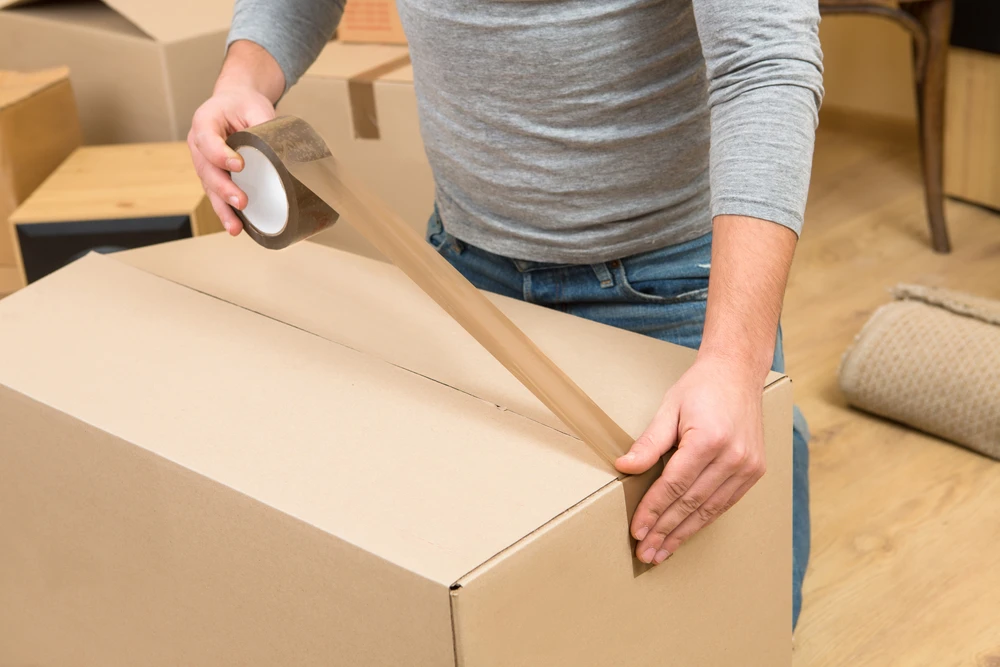
People often underestimate how many boxes they will need, which leads to last-minute scrambles and mixed items. As a general guide, most homes use more boxes than expected (especially once cupboards and garages are emptied). Reputable removalists help customers plan ahead with realistic box numbers based on home size and lifestyle.
These estimates assume a typical household doing a full move, including kitchen contents or wardrobes and books and décor. Families with hobbies or a packed shed may need extra. It is always safer to have a few spare boxes ready than to run short on moving day.
For smaller homes and units a rough starting point is:
A 2-bedroom place usually needs more kitchen and wardrobe boxes than people expect. Even a single person often fills several book boxes with books and media.
For family homes the numbers increase quickly:
Within these totals, removalists usually recommends a mix of sizes like more small and medium cartons for books and heavier items and larger tea chest cartons for lighter bulky items like linen and toys. A typical 3-bedroom home might use 10 to 15 small book boxes or 20 to 30 standard or tea chest boxes and several speciality cartons for wardrobes and fragile items.
The size of a home is only one part of the story. Some households have full garages or workshops or hobby rooms which can easily add 10 to 20 extra boxes. Large book collections or toys, and even camping gear and seasonal décor will also push numbers up.
Minimalist households or first-time renters with limited furniture and contents may use fewer boxes than the ranges above. On the other hand, long-term owners who have been in the same home for many years usually sit at the upper end of the range or beyond it. Rural properties with sheds and stored tools will almost always require extra cartons and tub-style boxes for heavier gear.
The experts suggest walking through each room and mentally assigning a number of boxes, then adding a buffer of at least 10 to 20 per cent. Kitchens usually need the most cartons because every cupboard and drawer contains small items. As a guide, many standard kitchens use 8 to 15 boxes on their own.
Wardrobes are another area that grows quickly once folded clothing and handbags are packed. Allow at least 2 to 4 boxes per adult wardrobe plus wardrobe cartons if hanging clothing is being moved on hangers. Once a rough total is calculated, it is wise to order a few extra boxes so those last-minute items and cleaning products can be packed without stress.
When you strip it all back, successful moving comes down to having the right boxes from the right sources. The guide looked at the core types you actually need (from standard tea chests and book cartons through to port-a-robe boxes and speciality crates) and how each one protects your belongings and makes loading the truck safer and faster.
Finally, the guide has broken down how many boxes most homes typically use, so you can plan ahead rather than scrambling at the last minute. With a clear idea of what to use and where to get it and how much you’ll likely need, you’re in a much better position to organise a low-stress move anywhere in the Hunter Valley.

