
Taking a flat-pack cabinet apart might make it easier to carry, but it does not always make it safer to move. A sturdy, compact unit may travel well assembled, while an older piece with worn fixing points could lose strength when its connectors are removed. The best approach depends on the furniture's condition, construction and access requirements.
For a Newcastle move, Hunter Coalfields Removals can be a useful point of contact when planning how furniture will be handled and transported. Assessing each item beforehand helps identify when assembled transport is suitable, when partial dismantling may help and what needs to be agreed before moving day.
Start by checking the furniture's condition, dimensions and the route it must take through both properties. Moving a flat-pack unit assembled may be practical when its joints are secure, its frame is stable and there is enough clearance to carry it safely.
Send photographs of the furniture's joints, damaged areas and surrounding access points to help the moving team assess potential handling issues. Include any known problems with loose connections, damaged corners or previous repairs.
A cabinet can look tidy while having weakened joints underneath. Look for gaps between panels, screws that no longer hold firmly, split material around connectors and missing fixings. A loose back panel may also affect stability if the design relies on it to keep the cabinet square.
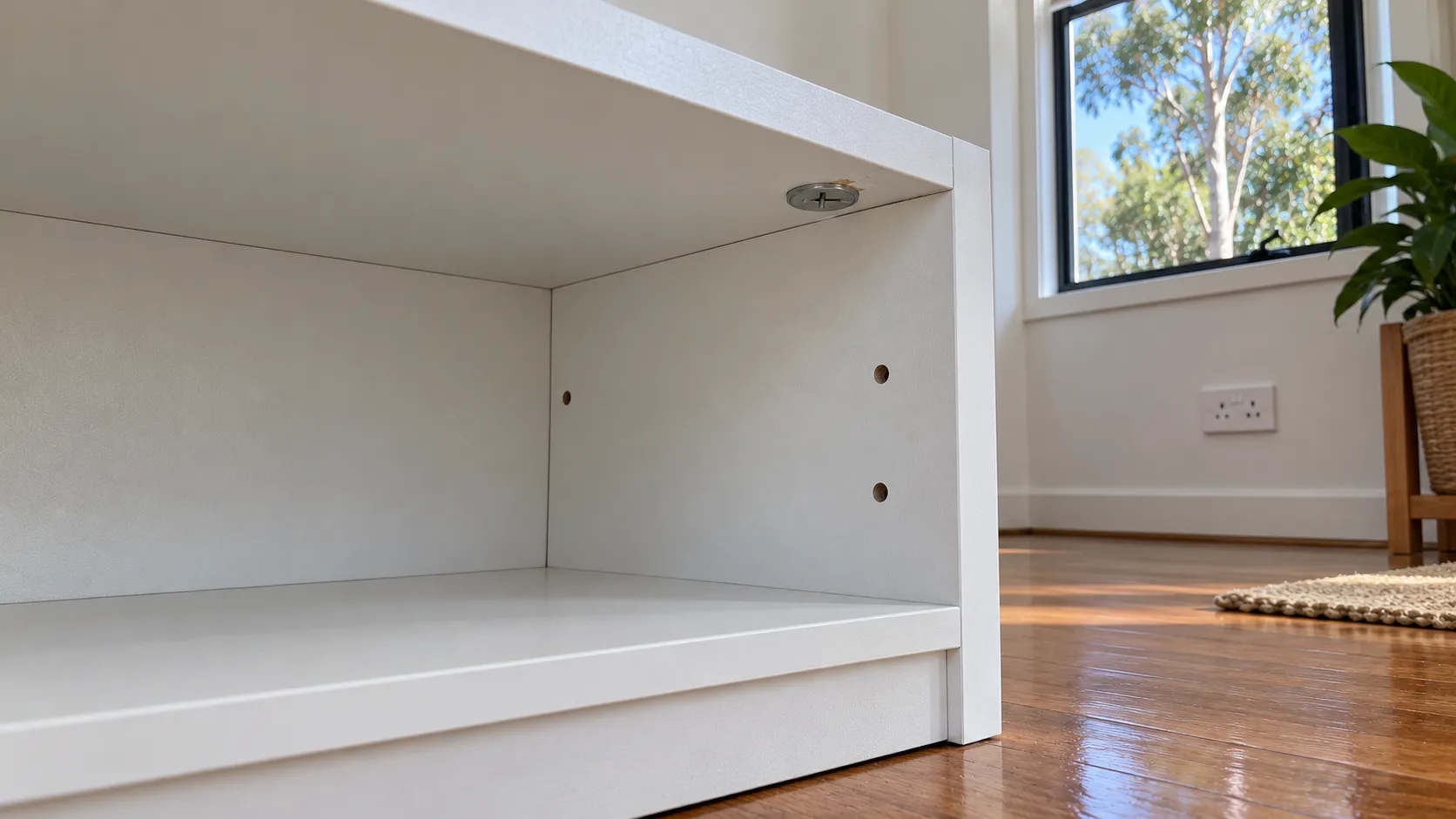
Avoid lifting, tilting or deliberately rocking heavy furniture to test its strength. Instead, describe movement noticed during normal use, such as a bookcase shifting when a door opens. Photographs of accessible joints and damaged areas can help explain the problem without putting the furniture at risk.
Emptying a cabinet reduces its weight but does not repair weakened connections or unsupported shelves. If the frame is damaged, the panels are swollen or the fixing points appear worn, seek advice before deciding whether it should travel assembled.
Tall wardrobes and bookcases can be vulnerable to sideways movement, known as racking, which occurs when a rectangular frame distorts under pressure. Wide units may also flex across unsupported spans when lifted or carried.
These stresses can affect connectors and panel edges even when the furniture appears stable while standing on the floor. Depending on the design, removing drawers, doors or other suitable components may reduce weight and make handling easier.
Consider the manufacturer's instructions alongside the furniture's dimensions and condition. A unit's size alone does not determine whether it can be transported intact.
Furniture that fits comfortably in a room may not pass through a doorway or around a landing without being tilted. Narrow hallways, staircases, tight corners and restricted clearance can make assembled transport impractical, even when the unit itself is structurally sound.
Measure the furniture's height, width and depth, then check doorways, stairwells and turning spaces at both properties. Share these details when comparing removalists in Newcastle, along with photographs of any difficult access points.
For moves between Newcastle and the Hunter Valley, access at the destination deserves just as much attention as the collection property. Identifying restrictions beforehand helps the moving team determine whether the furniture can be carried intact or needs a different handling approach.
Dismantling is not automatically the safer option. Some flat-pack furniture is designed for straightforward assembly and disassembly, while other pieces rely on connections that may weaken when removed and refitted.
The aim is to make handling manageable without creating unnecessary damage. Before separating every panel, consider whether removing a few suitable components would achieve the same result.
Many flat-pack pieces use particleboard panels, screws, cam connectors or dowels. Depending on the construction and condition, repeatedly removing and refitting these fittings can wear the material around the fixing points. A screw may appear secure when reinserted but no longer grip as firmly as it did originally.
Previous moves and repairs are worth mentioning. If a wardrobe has been rebuilt several times or a connector has previously failed, tell the moving team before agreeing on a dismantling approach. Enlarged fixing holes, crumbling panel edges and moisture-related swelling can make transport and reassembly less reliable.
Glued connections require care because separating them may damage the joint or surrounding material. Avoid forcing panels apart or attempting improvised repairs that could compromise the furniture's stability. If its construction or condition is uncertain, consult the manufacturer's instructions or seek appropriate advice before dismantling it.
Removing selected components can make furniture easier to handle without disturbing its entire frame. Depending on the design, suitable options may include detachable shelves, drawers, doors or legs.
Check the assembly instructions before removing anything. Some components that appear decorative or removable may contribute to the unit's rigidity, so appearance alone is not a reliable guide. Avoid removing structural panels simply because their fixings are accessible.
Partial dismantling can reduce weight and protruding parts, but it will not correct a weakened frame or solve every access problem. The decision should still account for the furniture's construction, condition and carry route.
Before dismantling begins, photograph the furniture's overall arrangement and its connections. Keep the manufacturer's instructions with the moving records and label the panels and fittings belonging to each item. Similar-looking connectors may not be interchangeable.
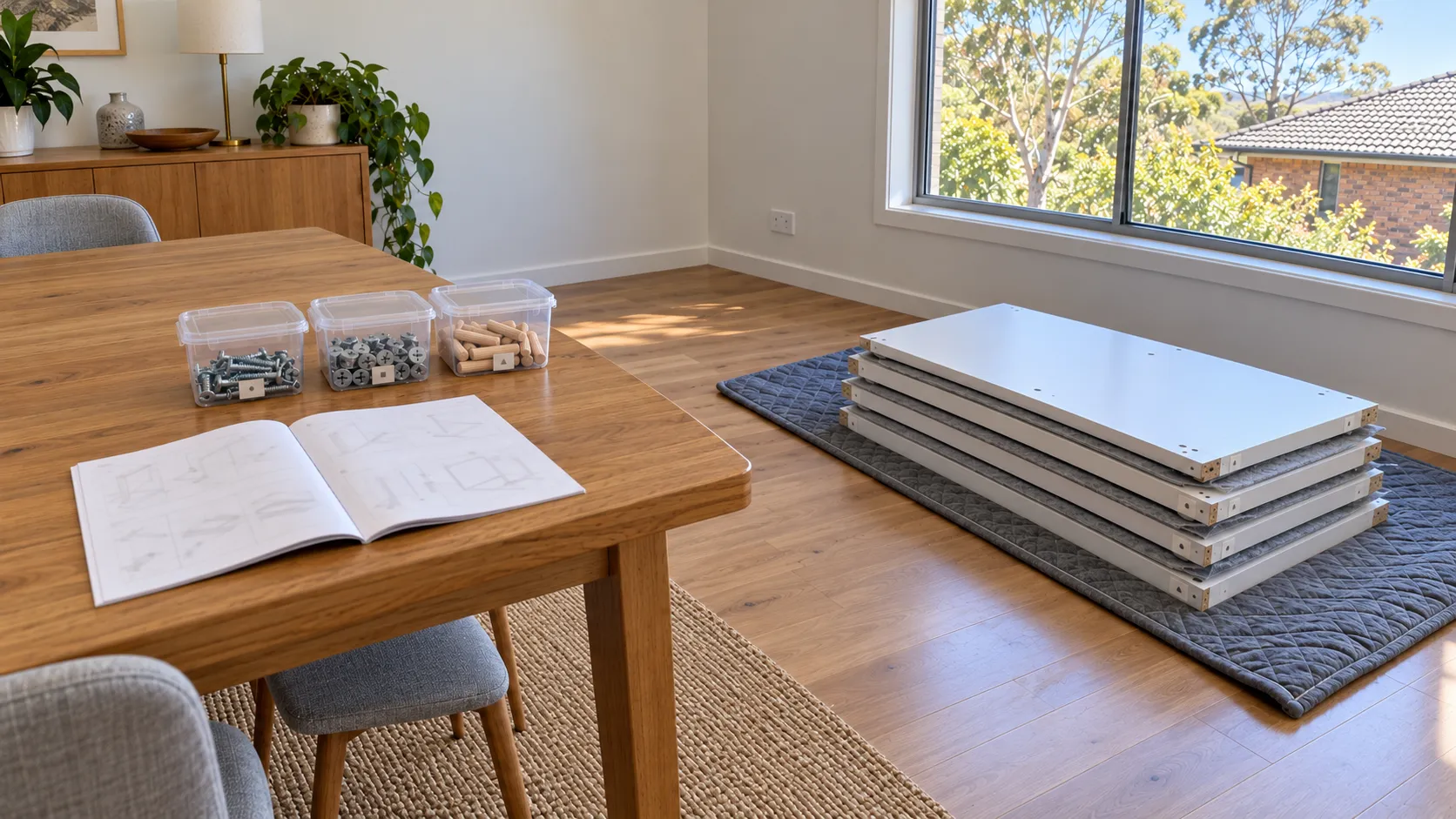
Store screws, dowels and other small fittings in securely closed, clearly labelled containers. Keep them separate from finished surfaces to prevent scratches, and avoid applying adhesive tape directly to delicate coatings.
Protect dismantled panels with suitable wrapping or padding, paying attention to corners and exposed edges. Keep panels flat and secure them against shifting during transport. Avoid placing heavy items on top of panels that could bend or crack under pressure.
Use a packing and decluttering checklist to organise furniture instructions, existing defects and preparation tasks. Missing fittings and unclear assembly information are easier to address before moving day than during reassembly.
Discuss the transport approach and responsibilities before dismantling starts. A removal booking does not automatically establish who will take furniture apart, who will rebuild it or whether either task is included in the agreed service.
Provide details for individual pieces rather than relying on a general furniture count. Dimensions, photographs, existing damage and access restrictions give the moving team a clearer picture of the work involved.
Ask experts whether assistance with dismantling or reassembly is available for the specific furniture and whether it is included in the proposed service. Confirm the agreed scope rather than assuming that assistance with one item covers every flat-pack unit.
NSW Government guidance on choosing a removalist recommends obtaining a written quote and checking that the contract includes complete details of the services being provided.
Establish who will remove detachable components, retain the fittings and prepare the instructions. If another person will handle dismantling, agree on when the work must be completed so the furniture is ready for collection.
Also, discuss what happens if a connector breaks, a panel is found to be damaged or the furniture cannot be reassembled safely. Allow enough time for preparation instead of leaving these tasks until the last minute.
Advice on planning your house-moving timeframe can organise furniture preparation alongside packing, collection and delivery. The actual booking should confirm the responsibilities and timing agreed with the removalist.
Disclose weakened joints, missing connectors and previous repairs, even if the furniture currently stands upright. Replacement screws, additional brackets and glued repairs may affect how a unit can be handled or dismantled.
Photograph existing defects and explain anything that is not obvious from the images, such as a door pulling away from a loose hinge. These details support a more informed discussion, although they do not replace an assessment of whether the furniture is safe to move.
Mention missing assembly instructions as well. Rebuilding furniture can be more difficult without a reliable record of its original configuration, especially when several similar units are being moved. If the furniture's condition makes either transport option uncertain, seek advice before moving day.
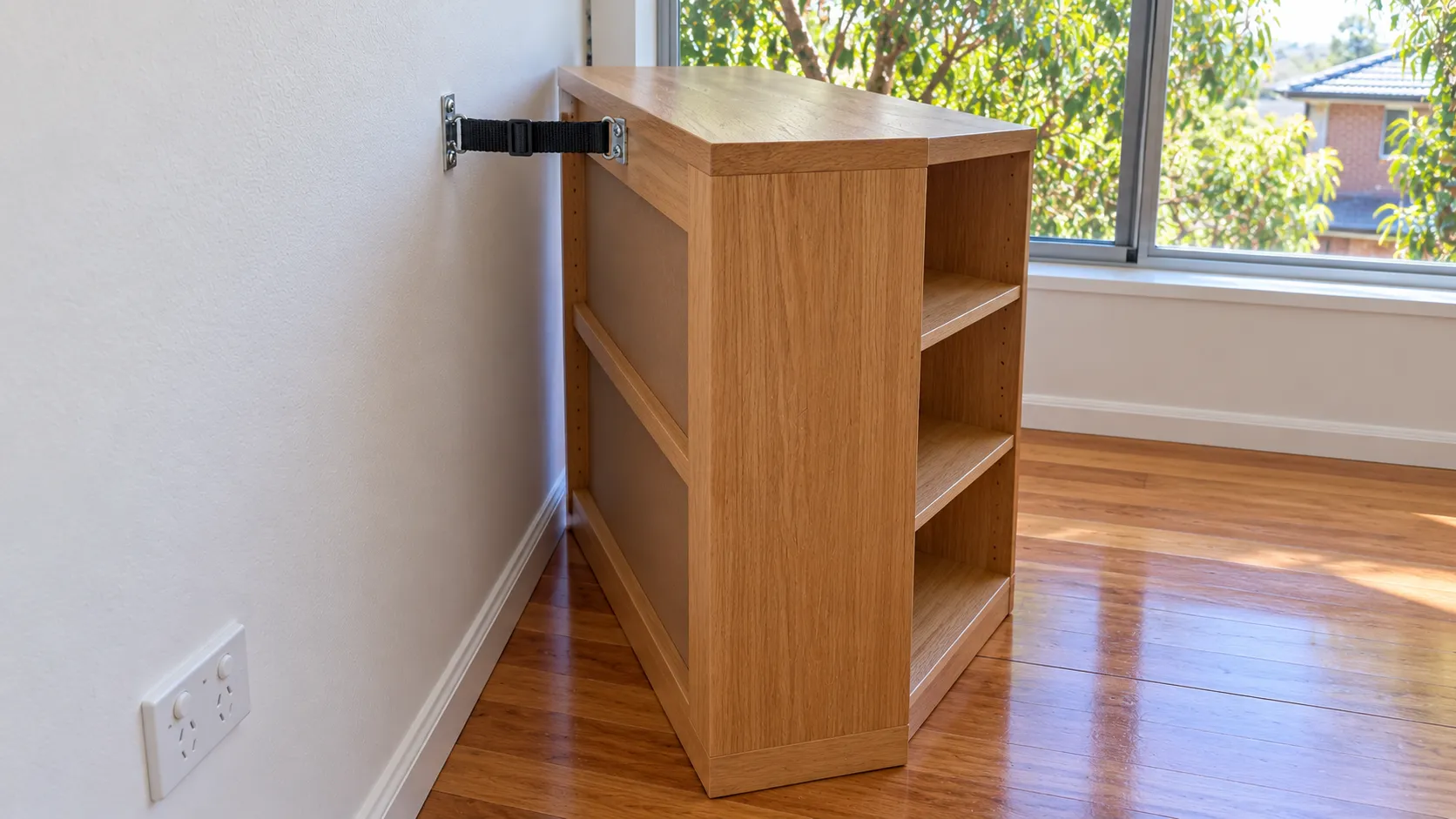
Tall furniture may need suitable anti-tip restraints once it has been placed in its final position. Follow the manufacturer's recommendations and choose appropriate fixings for the wall construction. Where the correct method is unclear, arrange assistance from a professional.
ACCC Product Safety guidance on preventing furniture tip-overs explains how anchoring furniture and choosing fixings suited to the furniture and wall construction can reduce the risk of it falling.
Do not assume that transport or reassembly assistance includes wall securing. Keep children away from unsecured tall furniture, and avoid loading a unit until its stability and any required restraints have been checked.
After delivery, inspect the furniture for loose connections, damaged panels and signs of movement before returning its contents. Reassembly should follow the manufacturer's instructions, and damaged fittings should be addressed before the unit is put back into regular use.
For each item, agree on one of three approaches: move it assembled if its condition and access allow, remove only the components needed to improve handling, or seek further advice if weakened joints make either option uncertain. Confirm the plan and responsibilities before work begins.
Hunter Coalfields Removals can discuss your furniture, access restrictions and moving requirements before collection so the handling arrangements can be considered in advance. Preparing these details early helps reduce avoidable damage and makes it easier to plan a move that suits the furniture and the properties involved.

